Book bans are nothing new. From ancient scrolls to modern YA novels, stories have always had the power to unsettle, offend, or spark rebellion.
But while some bans were tied to revolutions and moral panics, others happened for reasons so odd they feel like satire. Talking animals?
A dictionary entry? A hidden topless doodle in a children’s book? All of these—and more—have landed books on the blacklist.
Let’s explore the weirdest reasons books have ever been banned, from classics to picture books.
Children’s Books That Shocked Adults
Green Eggs and Ham by Dr. Seuss
Banned in China in 1965 because officials thought it promoted “early Marxism.” The logic was that the book encouraged oppositional behavior—Sam-I-Am refuses to give up trying to change the narrator’s mind. Authorities feared it might subtly teach rebellion.
The ban was lifted in 1991 after Mao Zedong’s death, allowing Chinese kids to finally read about green-colored breakfast food.
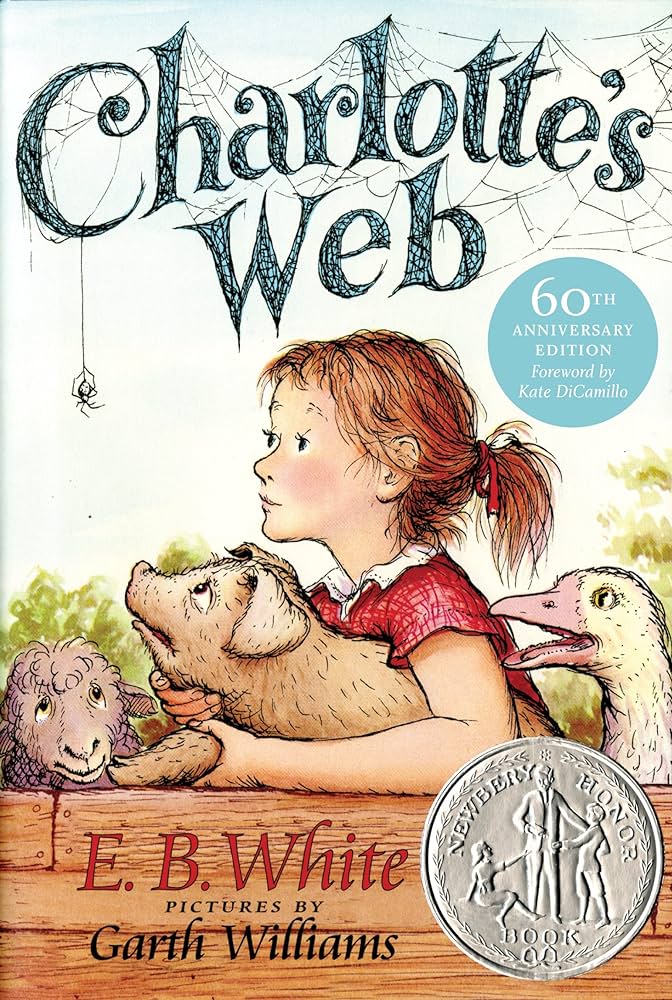
Charlotte’s Web by E.B. White
In 2006, a Kansas school district challenged this sweet tale of friendship because the talking animals were considered “blasphemous and unnatural.”
Critics argued that giving animals human qualities was offensive to God’s design. Imagine thinking a spider’s vocabulary was the true threat to childhood.
Brown Bear, Brown Bear, What Do You See? by Bill Martin Jr.
In 2010, Texas briefly banned this picture book after mistaking author Bill Martin Jr. for another Bill Martin who had written a political book about Marxism. It was a pure clerical error that made the state board of education a global punchline.
Where the Wild Things Are by Maurice Sendak
When it first appeared in 1963, critics worried that Sendak’s monsters were too frightening and that Max’s defiance of his mother would encourage children to misbehave. Some libraries removed it, claiming it would traumatize kids. Decades later, it’s considered one of the most influential children’s books ever written.
Winnie-the-Pooh by A.A. Milne
At different times, Pooh Bear has been banned for reasons ranging from “not wearing pants” (seriously, in parts of Eastern Europe) to alleged Nazi associations. In one Polish town, officials claimed Pooh was “inappropriate for children” because of his ambiguous gender and lack of trousers.
The lovable bear who only wanted honey became an unlikely cultural lightning rod.
Where’s Waldo? by Martin Handford
In the original 1987 edition, a hidden beach scene contained a tiny, barely visible woman sunbathing topless. Parents who spotted it complained, and some schools pulled the book. Later editions were reprinted with the woman’s top firmly on, but the controversy gave Waldo his most scandalous cameo.
Classic Novels with Strange Bans
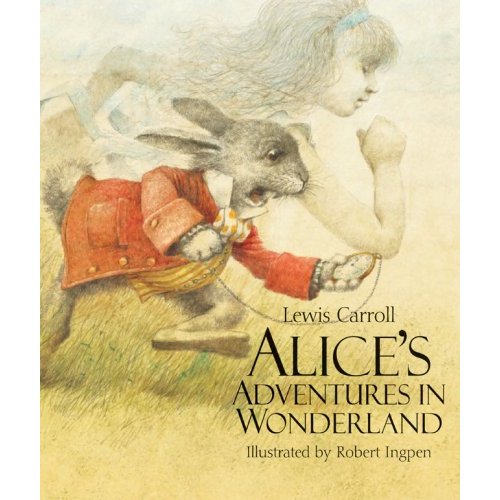
Alice’s Adventures in Wonderland by Lewis Carroll
In 1931, authorities in the Chinese province of Hunan banned Carroll’s classic. The reasoning? Animals shouldn’t use human language. Officials feared it suggested equality between humans and animals, which was unacceptable. A rabbit in a waistcoat was apparently more subversive than any manifesto.
Fahrenheit 451 by Ray Bradbury
Ironically, a book about censorship was itself censored. In 1967, a special “school edition” of Bradbury’s novel removed references to sex, drinking, and swearing. For years, many students didn’t even realize they were reading a sanitized version of a story about erasing ideas.
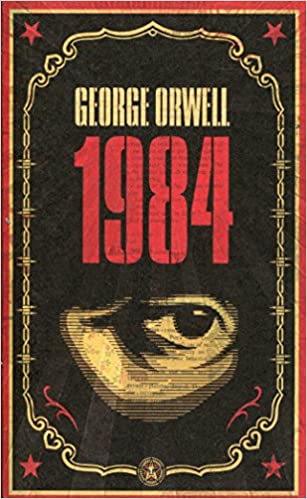
1984 by George Orwell
Orwell’s dystopia was banned in the Soviet Union for its critique of communism—but it was also challenged in the United States during the Cold War by those who thought it was pro-communist. Both sides saw themselves in its oppressive surveillance state, and both were uncomfortable with the mirror it held up.
The Grapes of Wrath by John Steinbeck
In 1939, California growers despised how Steinbeck portrayed the struggles of migrant workers. Kern County went so far as to organize public book burnings. Ironically, that same county is now proud of its association with the novel and even has a monument dedicated to it.
The Wizard of Oz by L. Frank Baum
In the 1920s and again in the 1950s, Oz was banned in parts of the United States for being “ungodly” and promoting “negativity.” Some critics argued its depiction of strong, independent female characters—Dorothy and Glinda—was inappropriate. Others disliked its “unwholesome” magical elements.
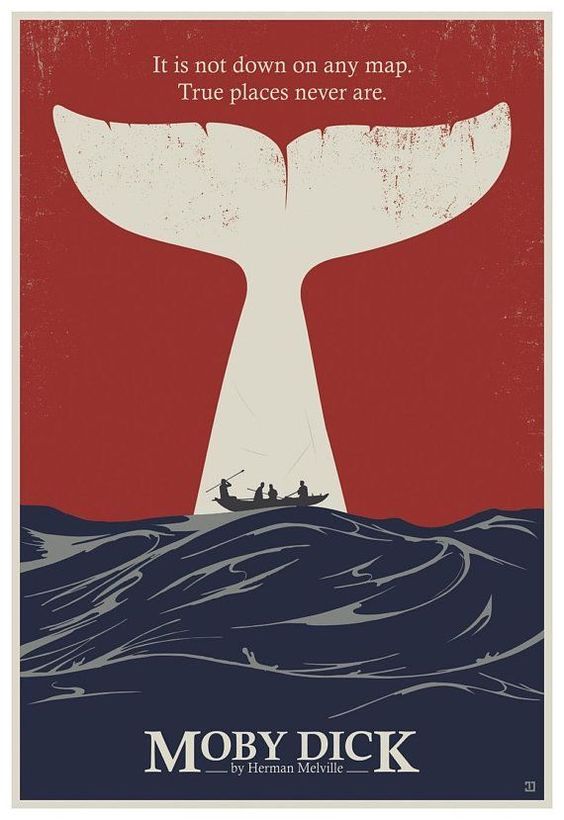
Moby-Dick by Herman Melville
Banned in some Texas schools for “obscenity” and “conflicting with community values.” Considering the novel is mostly philosophical musings on obsession, whale anatomy, and the sea, it’s hard to see what offended officials—unless they just couldn’t face 600 pages of dense prose.
Religious and Moral Outrage
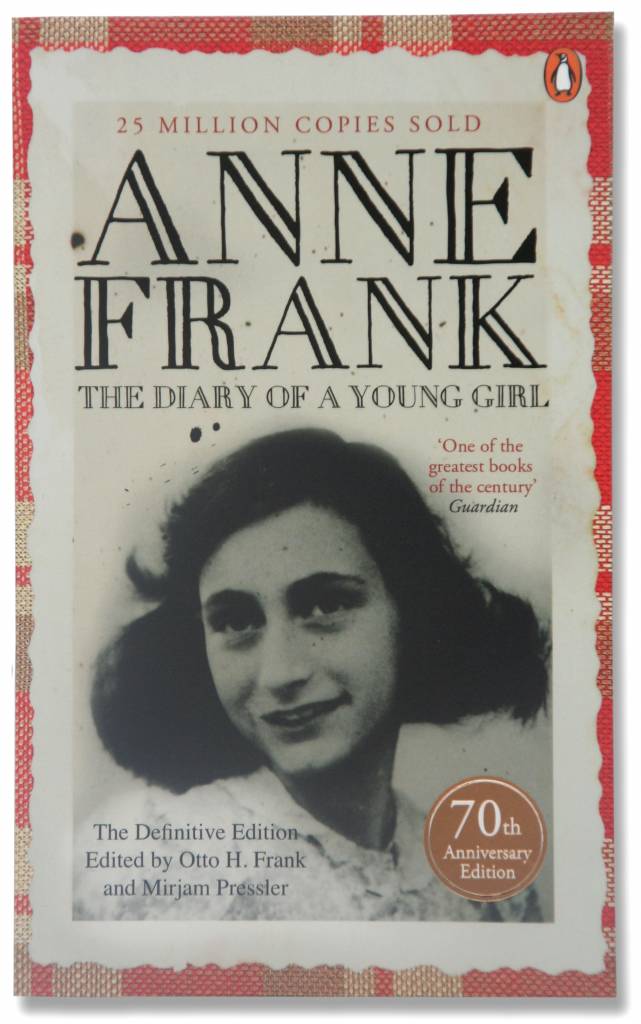
The Diary of Anne Frank (Unabridged Edition)
In the 1980s, several U.S. schools challenged the unedited version of Anne Frank’s diary because of her frank descriptions of puberty and sexuality. Some parents argued it was “too graphic.” The result? Censorship of one of history’s most important firsthand accounts.
Harry Potter series by J.K. Rowling
From the late 1990s through the 2000s, Rowling’s books topped banned lists in the U.S. and beyond. Critics claimed the novels promoted witchcraft and the occult. Churches burned copies in bonfires, while school boards worried they taught children rebellion. Meanwhile, millions of kids secretly devoured them under the covers.
The Bible
Yes, even the Bible has been banned. Communist regimes in the 20th century outlawed it as “subversive literature.” In the U.S., some schools pulled it to avoid violating the separation of church and state. The irony of banning one of the most widely read texts in history is almost poetic.
Books Banned for Odd Misinterpretations
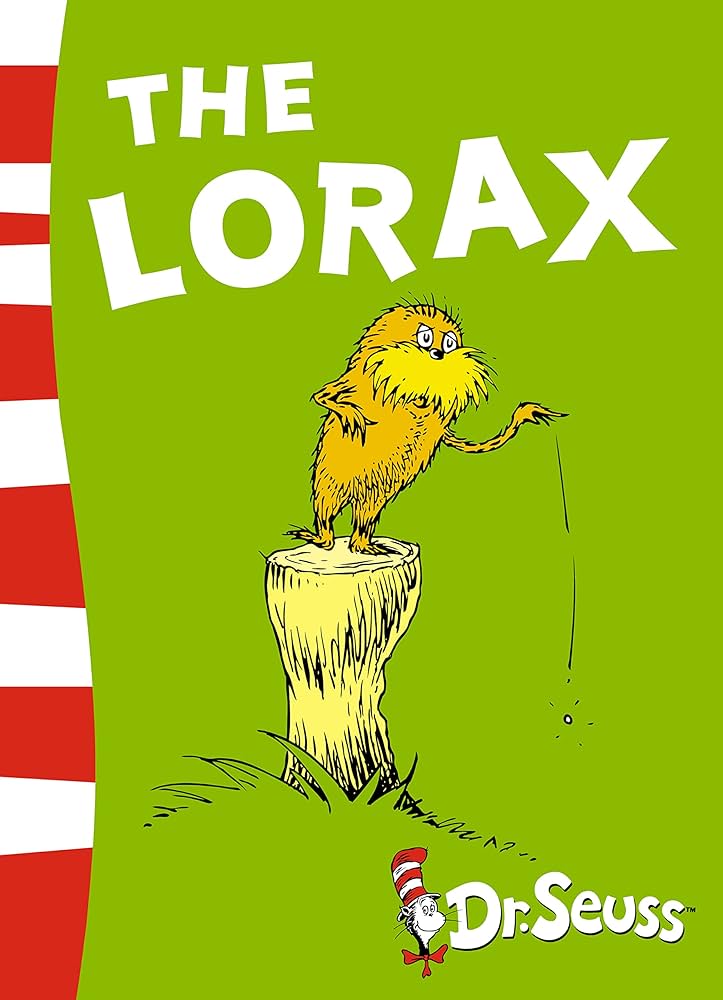
The Lorax by Dr. Seuss
In the 1980s, a California school district banned The Lorax for being “unfair” to the logging industry. Lumber executives lobbied against the book, fearing it would turn children against their livelihood. The story of a fuzzy orange creature protecting trees was simply too threatening.
Dictionaries
In 2010, Merriam-Webster’s 10th edition dictionary was pulled from a California school after parents complained that it defined “oral sex.” Instead of addressing questions, administrators just banned the book. Censoring the dictionary might be the most literal attempt ever to restrict knowledge.
Captain Underpants series by Dav Pilkey
Banned and challenged for promoting “disrespect toward authority” and “encouraging children to disobey rules.” Essentially, potty humor and superheroes in underwear were deemed dangerous. Parents bought millions of copies anyway.
Why These Weird Bans Matter
It’s easy to laugh at these stories—an embarrassed school board banning a picture book, or a county burning The Grapes of Wrath. But these bans remind us that censorship often says more about those in power than the books themselves.
Sometimes it’s fear of children asking uncomfortable questions. Sometimes it’s industries protecting profits. Sometimes it’s just human error.
The point is: even the smallest story can be seen as dangerous when it sparks imagination.
That’s why these weird bans matter. They show us the absurd lengths people will go to silence creativity—and why defending the freedom to read is more important than ever.

Vincent Salera
Founder @ World's Best Story™ amplifier of creativity & fun!