If you’ve ever stared at a rejection letter and thought, Well, that’s the end of my writing dreams, you’re in good company.
Many of the world’s most beloved authors were told they’d never make it. Publishers doubted them, agents turned them down flat, and critics were less than kind.
Yet, these writers didn’t just keep going—they went on to shape literature, inspire generations, and sell millions of books.
Some of them even changed the course of publishing history.
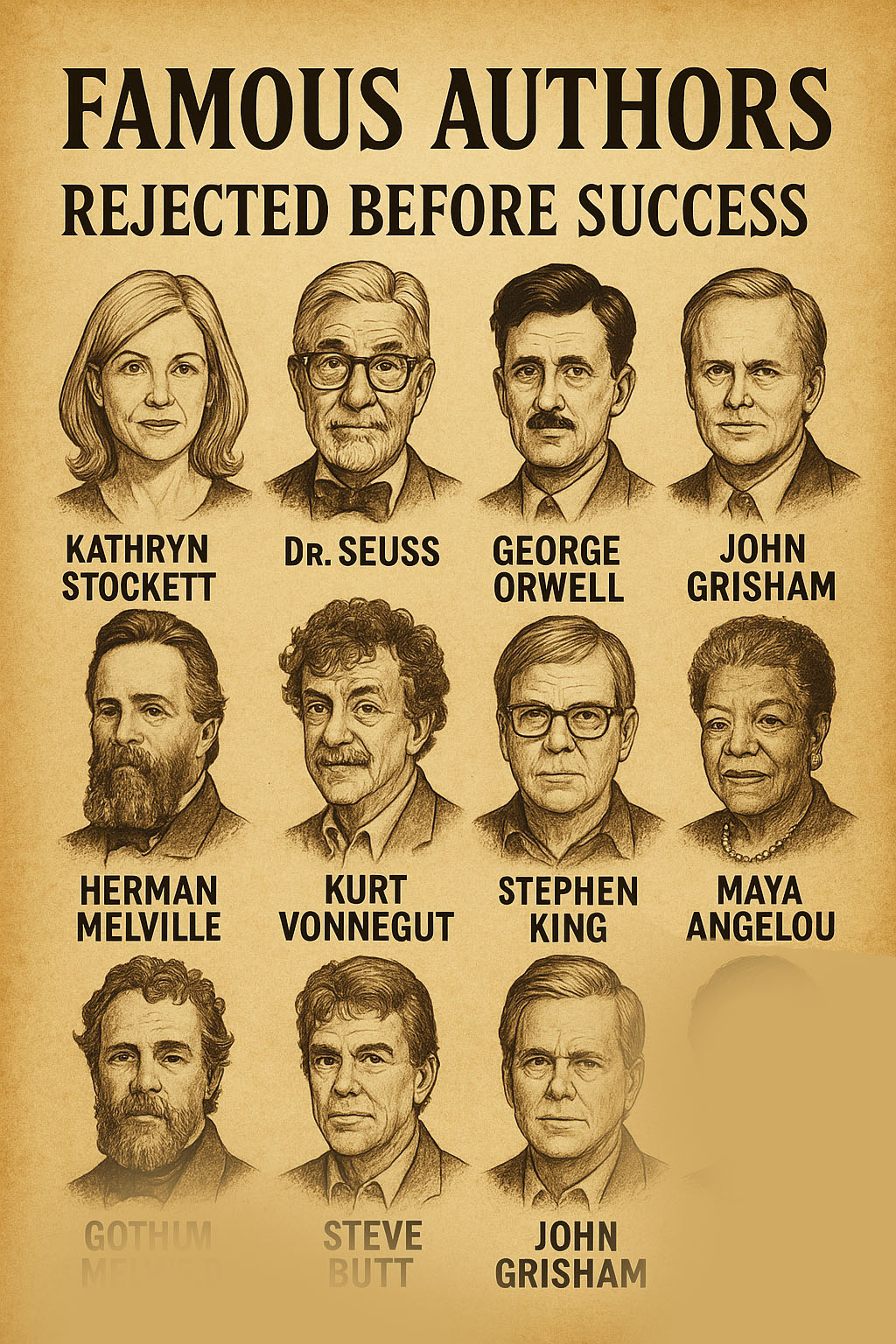
Below is a closer look at famous authors who were originally rejected, complete with the rejection counts, fun facts, and the surprising backstories you may not know.
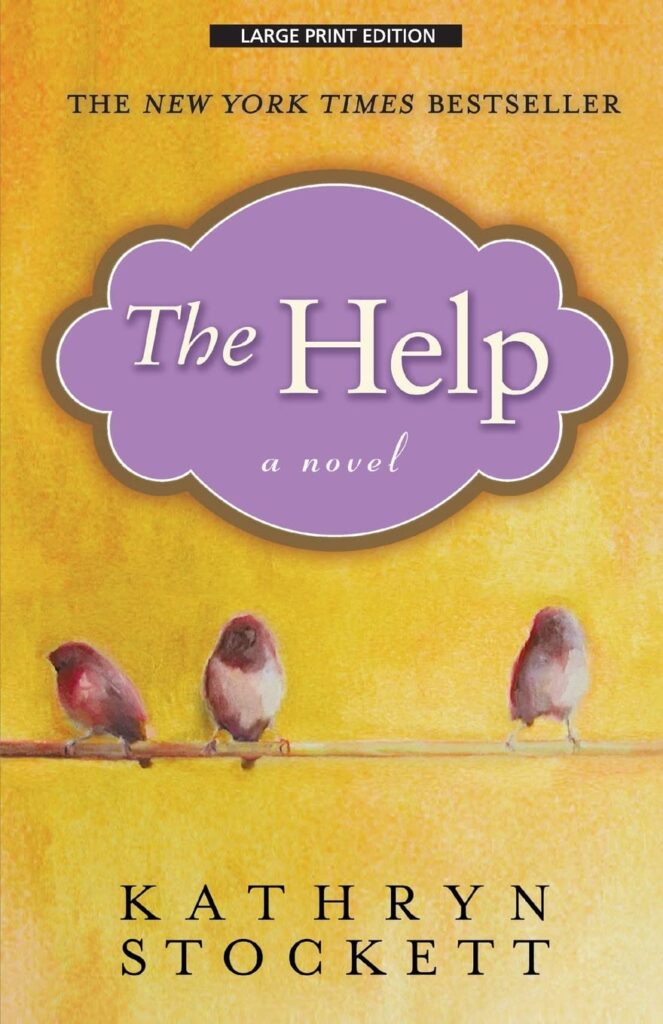
Kathryn Stockett – The Help (60 Rejections)
Kathryn Stockett worked for five years on The Help, crafting a heartfelt, layered story about race and friendship in 1960s Mississippi. When she sent it out to agents, the responses were brutal—60 rejections in total.
Fun fact: By the time she finally landed an agent, Stockett was so used to rejection that she almost didn’t believe the acceptance email was real. The novel went on to spend over 100 weeks on The New York Times bestseller list and became an Oscar-winning film.
Pearl S. Buck – The Good Earth (14 Rejections)
Pearl S. Buck’s epic tale of Chinese peasant life didn’t seem like a commercial hit to publishers. Fourteen of them said no.
She persisted, and not only did The Good Earth win the Pulitzer Prize, but Buck also became the first American woman to win the Nobel Prize in Literature.
Fun fact: Buck wrote much of the novel from personal experience—she had lived in China for decades and spoke fluent Mandarin.
Norman Mailer – The Naked and the Dead (12 Rejections)
Mailer’s gritty World War II novel was rejected 12 times before finally seeing print. It became a bestseller and launched his career as one of America’s most influential (and controversial) writers.
Fun fact: Mailer wrote much of it at just 25 years old, drawing from his own wartime experiences in the Philippines.
Patrick Dennis – Auntie Mame (15 Rejections)
This flamboyant, witty novel about an eccentric socialite was turned down 15 times.
Publishers doubted that such a quirky story would resonate with readers. They were wrong—it became a cultural phenomenon, spawning stage plays, films, and a musical.
Fun fact: Auntie Mame was the only American novel to remain on the New York Times bestseller list for two full years without interruption.
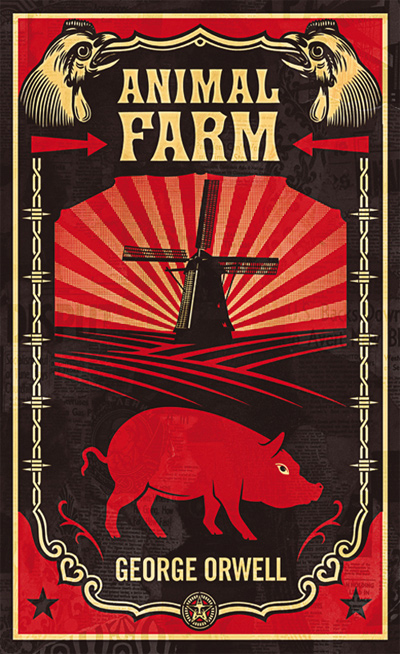
George Orwell – Animal Farm
Orwell’s sharp satire of Soviet communism was considered too politically risky at the time. Several publishers feared backlash, especially during WWII when the Soviet Union was an ally.
Fun fact: Orwell originally wanted the subtitle A Fairy Story, which some later editions still use. Animal Farm has since sold over 40 million copies.
Richard Bach – Jonathan Livingston Seagull (20 Rejections)
Publishers laughed at the idea of a philosophical novella about a seagull who dreams of flying higher and faster than the rest.
After 20 rejections, the book became an unexpected phenomenon, selling more than a million copies in its first year.
Fun fact: In the 1970s, Jonathan Livingston Seagull even inspired a feature film with a soundtrack by Neil Diamond.
Joseph Heller – Catch-22 (22 Rejections!)
Talk about irony—Heller’s masterpiece about the absurdity of war was rejected exactly 22 times.
Critics at first didn’t “get” the looping, surreal narrative.
Fun fact: “Catch-22” became an official entry in the Oxford English Dictionary to describe an impossible no-win situation—proof of the novel’s cultural impact.
Mary Higgins Clark – First Short Story (40 Rejections)
Before she was the “Queen of Suspense,” Clark faced 40 rejections for her first short story. When it finally sold, she was paid just $100.
Fun fact: Clark wrote her early books at the kitchen table before dawn while raising five children as a widow.
Alex Haley – Before Roots (200 Rejections)
Haley endured 200 rejections before breaking through. Then came Roots, a groundbreaking work tracing his ancestry back to Africa.
It became a cultural milestone, winning the Pulitzer Prize and spawning a record-breaking television miniseries.
Fun fact: The original Roots miniseries was watched by an estimated 140 million Americans—over half the U.S. population at the time.
Robert Pirsig – Zen and the Art of Motorcycle Maintenance (121 Rejections)
Pirsig’s philosophical blend of memoir and musings on life’s meaning confused publishers. He collected 121 rejections before one took a chance. The book went on to sell millions and is still taught in philosophy courses.
Fun fact: The novel holds the Guinness World Record for most rejections for a bestseller.
John Grisham – A Time to Kill
Rejected by 15 publishers and 30 agents, Grisham eventually self-published his debut legal thriller, selling copies from the trunk of his car.
Years later, the book became a bestseller and was adapted into a hit film starring Matthew McConaughey and Sandra Bullock.
Fun fact: Grisham wrote A Time to Kill while working full-time as a lawyer, sneaking in writing time early in the mornings.
Chicken Soup for the Soul – 33 Rejections
Jack Canfield and Mark Victor Hansen’s heartwarming anthology was passed over 33 times.
Today, the Chicken Soup brand has sold more than 500 million copies in over 100 countries.
Fun fact: The co-authors set a goal to have the book on the New York Times list within a year—and they did it in 14 months.
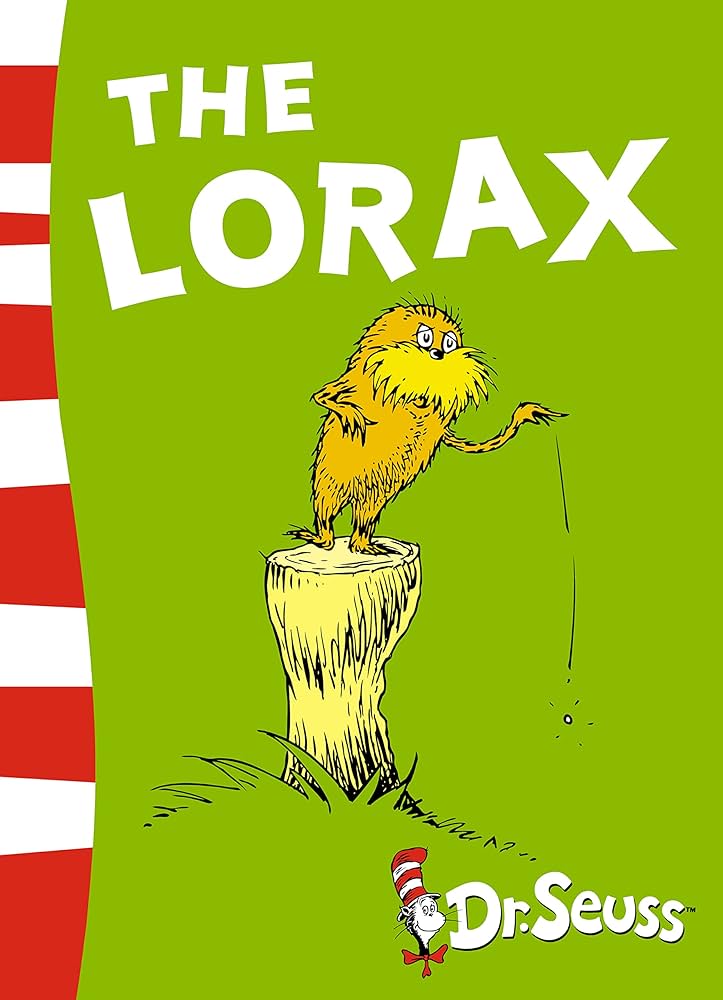
Dr. Seuss – 24 Rejections
The whimsical genius behind The Cat in the Hat and Green Eggs and Ham was told 24 times that his first book wouldn’t sell.
Fun fact: Seuss almost gave up entirely, but a chance meeting with an old college friend (who happened to be a publisher) changed his fate.
Louis L’Amour – 200 Rejections
The king of the Western novel faced 200 rejections before his first book sold. He went on to publish over 100 novels, selling more than 300 million copies.
Fun fact: L’Amour never owned a typewriter in his early days—he wrote his first manuscripts entirely by hand.
Jack London – 600 Rejections
London received 600 rejection slips before selling his first short story. Once published, he became one of the most successful writers of his time, with classics like The Call of the Wild and White Fang.
Fun fact: London often tacked his rejection letters to his wall as a personal challenge.
John Creasey – 774 Rejections
Creasey endured 774 rejections before selling his first story. He later became one of the most prolific authors in history, publishing 564 books under 14 pseudonyms.
Fun fact: Some of Creasey’s pen names—like Anthony Morton and J.J. Marric—were so successful that readers didn’t realize they were all the same person.
Jerzy Kosiński – Rejected by His Own Publisher
To test whether his fame mattered, Kosiński submitted his bestselling novel under a different name. It was rejected by 13 agents and 14 publishers—including Random House, the very publisher that had originally released it.
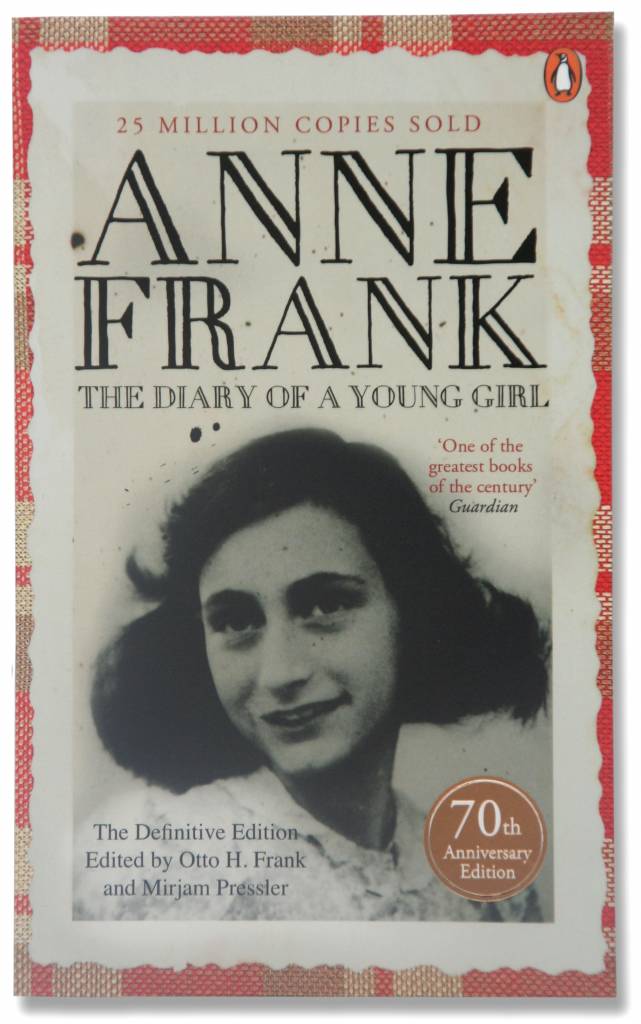
The Diary of Anne Frank – Initially Rejected
Otto Frank struggled to find a publisher for his daughter’s diary after the war. Several publishers doubted its commercial appeal. Today, it’s one of the most read and cherished books in history.
Fun fact: The diary has been translated into over 70 languages.
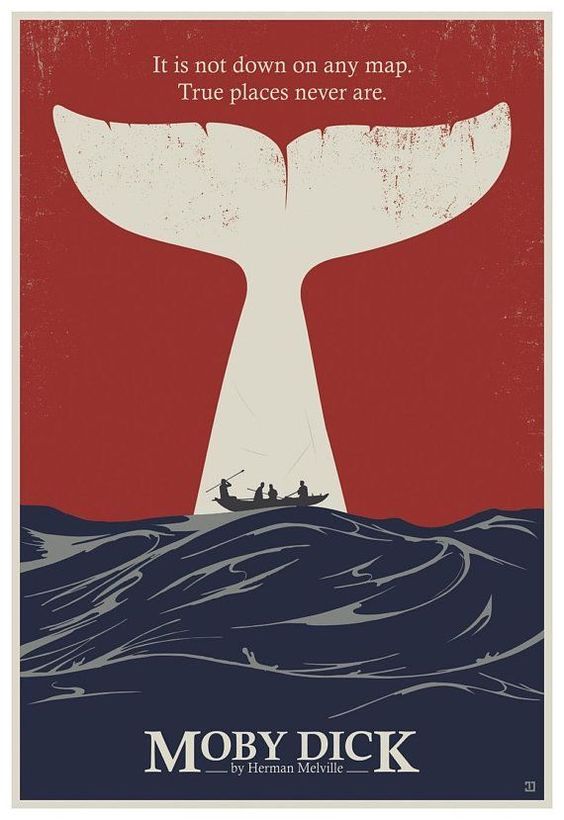
Herman Melville – Moby-Dick Was a Flop in His Lifetime
During Melville’s lifetime, Moby-Dick sold just 3,715 copies and was considered a commercial failure. It wasn’t until decades after his death that it became recognized as a masterpiece.
Fun fact: The first edition of Moby-Dick had printing errors and even got the author’s name wrong on the title page.
Lessons from the Most Rejected Authors in History
These stories prove that rejection isn’t the end—it’s often the beginning. Whether it’s 12 “no’s” or 774, the difference between those who make it and those who don’t is persistence.
If these famous authors who were originally rejected had given up, we wouldn’t have Animal Farm, The Help, Catch-22, or even The Cat in the Hat. The moral? Every rejection is just another step toward your yes.

Vincent Salera
Founder @ World's Best Story™ amplifier of creativity & fun!