For a long time, people kept repeating the same story about books: that reading was fading out.
Attention spans were shrinking. Screens were taking over. Entertainment had moved on. Books, according to this narrative, were becoming something of the past.
But that story was wrong.
Reading didn’t disappear. It evolved into something louder, faster, more emotional, and more connected to modern pop culture than ever before.
Today, books are not just surviving. They are going viral.
And the forces behind this revival are not traditional literary institutions. They are TikTok creators, streaming platforms, AI tools, and a generation of readers who treat books as identity, entertainment, and social currency all at once.
This is the story of how reading became cool again.
The “Death of Reading” Was Never Real
The idea that reading was dying came from a misunderstanding of how culture changes.
Yes, attention shifted toward video platforms. Yes, social media changed how people consume information. But that does not mean people stopped engaging with stories.
What actually happened was a redistribution of attention.
Books stopped being the dominant storytelling medium and became one of many. They had to compete with Netflix, YouTube, podcasts, and short-form video.
Instead of disappearing, reading became more niche, more passionate, and more community-driven.
And that shift created the conditions for something unexpected: a reading renaissance powered by digital culture itself.
BookTok: The Most Powerful Book Marketing Engine Ever Created
If there is one force responsible for the modern revival of reading, it is BookTok.
BookTok, the reading community on TikTok, has completely changed how books are discovered, discussed, and sold.
Before BookTok, books were marketed through:
- Publishers
- Book reviews
- Bestseller lists
- Bookstore recommendations
Now they are discovered through:
- Emotional reaction videos
- Aesthetic edits
- Crying recommendations
- “Books that destroyed me” lists
- Viral storytelling clips
The difference is simple: BookTok makes books feel personal.
A 30-second video of someone emotionally reacting to a plot twist can outperform traditional advertising campaigns that cost millions.
And it works because it removes the distance between reader and recommendation. It feels like a friend telling you, not a corporation selling you something.
How BookTok Turns Unknown Books Into Global Bestsellers
The rise of BookTok has created a new publishing reality.
Books no longer need years to build momentum. They can explode overnight.
Titles like:
Fourth Wing
It Ends With Us
The Song of Achilles
The Seven Husbands of Evelyn Hugo
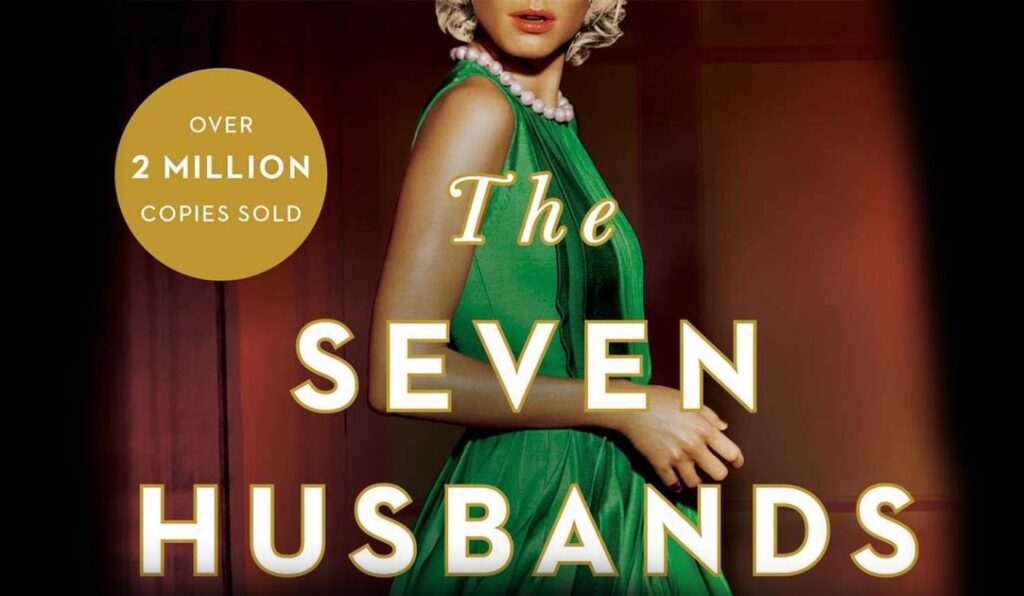
All benefited from TikTok-driven discovery loops.
The pattern is consistent:
- A reader posts an emotional reaction
- The video spreads rapidly
- Thousands of others buy the book
- More reaction videos follow
- The book becomes a cultural moment
This cycle is faster than traditional media ever was.
And it has reshaped how publishers think about success.
Gen Z Didn’t Stop Reading. They Rewired It
One of the biggest misconceptions in publishing is that Gen Z doesn’t read.
They do. Constantly.
But their reading habits are shaped by a different cultural environment.
Gen Z prefers:
- Emotional storytelling over academic analysis
- Fast pacing over slow build-ups
- Immersive worlds over standalone narratives
- Highly shareable content over private consumption
For them, reading is not just a solitary activity. It is something that connects to identity and community.
Books are discussed online, reacted to in real time, and turned into social content.
In other words, reading has become participatory.
Why Emotional Intensity Drives Modern Reading Choices
Modern readers are not just looking for good writing.
They are looking for emotional impact.
This explains the popularity of phrases like:
- “This book broke me”
- “I cannot recover from this ending”
- “I stayed up all night reading this”
- “I will never be the same after this book”
These are not literary critiques. They are emotional reactions.
And they have become the primary form of book recommendation in online spaces.
Readers want stories that:
- Make them feel deeply
- Offer escape from routine life
- Deliver intense emotional arcs
- Create memorable characters
Emotion now drives discovery more than genre or author reputation.
The Rise of Romantasy and Genre Blending
One of the biggest shifts in publishing is the explosion of genre hybrid books.
The most dominant example is romantasy, a blend of romance and fantasy.
Books in this category combine:
- High emotional stakes
- Fantasy world-building
- Romantic tension
- Series-based storytelling
This format has proven incredibly successful because it delivers both escapism and emotional connection.

But romantasy is just one example.
Other rising hybrid genres include:
- Horror romance
- Thriller romance
- Cozy fantasy
- Dark academia romance
- Dystopian romance
The key trend is clear: genre boundaries are dissolving.
Readers no longer care about strict categories. They care about experience.
Streaming Platforms Turn Books Into Cultural Events
Another major force driving the reading revival is streaming culture.
Platforms like Netflix, HBO, and Amazon Prime have turned books into global entertainment properties.
When a book is adapted into a series or film, something interesting happens:
- Viewers become readers
- Readers become viewers
- Entire fandoms form across platforms
Examples include:
- Bridgerton, which revived interest in romance novels
- The Queen’s Gambit, which boosted chess-related storytelling
- Dune, which renewed interest in dense sci-fi worlds
- The Hunger Games, which created long-term YA demand
The adaptation effect is powerful because it connects reading to visual culture.
Books are no longer separate from entertainment. They are part of it.
Why Books Are Becoming “IP” Instead of Just Stories
In today’s publishing world, a book is often treated as intellectual property (IP) first and literature second.
This means a book is evaluated not only on its writing but on its potential to become:
- A film
- A TV series
- A franchise
- A digital universe
This shift has changed how books are written, marketed, and selected for publication.
It also explains why certain genres perform better in today’s market. Stories with strong visual potential and emotional hooks are more likely to get attention.
Books are now part of a larger entertainment pipeline.
AI Is Quietly Transforming How Books Are Created
Artificial intelligence has entered publishing, and it is already reshaping the process.
AI tools are used for:
- Brainstorming ideas
- Editing drafts
- Improving pacing
- Creating marketing copy
- Testing audience interest
But despite the fear surrounding AI, it has not replaced authors.
Instead, it has accelerated production.
Writers can now move faster from idea to draft to publication.
At the same time, readers are becoming more interested in authenticity. They want to know who wrote the story and why it matters.
This tension between human storytelling and machine assistance is becoming one of the defining themes of modern publishing.
The New Role of Bookstores in a Digital World
Physical bookstores were once considered endangered.
But in recent years, they have experienced a quiet revival.
Independent bookstores are no longer just retail spaces. They have become:
- Aesthetic destinations
- Community hubs
- Social media backdrops
- Curated cultural spaces
Readers now visit bookstores not only to buy books but to experience them.
This is especially true among younger audiences who value physical, tangible experiences in contrast to digital overload.
Books offer something screens cannot: presence.
The Dark Side of Viral Book Culture
While the revival of reading is exciting, it is not without problems.
One issue is speed.
Books can become viral overnight and disappear just as quickly. This creates a culture of rapid consumption rather than long-term engagement.
Another issue is pressure on authors.
Writers may feel forced to produce content that is:
- Highly emotional
- Algorithm-friendly
- Trend-aligned
This can limit creative risk-taking.
Finally, there is the cycle of hype and burnout. A book may be heavily promoted online, only to be forgotten once the next viral title appears.
Virality does not always equal longevity.
Why Reading Still Matters More Than Ever
Despite all these changes, one thing remains constant: the power of storytelling.
Books continue to offer something unique in modern culture:
- Depth
- Focus
- Emotional immersion
- Long-form narrative structure
In a world of fragmented attention, books provide continuity.
They allow readers to stay inside a single world longer than any other medium.
That experience is increasingly rare and valuable.
The Future of Reading: Hybrid, Fast, and Everywhere
The future of books is not a return to the past.
It is a hybrid ecosystem where reading exists alongside digital platforms, streaming media, and AI tools.
Here is where things are heading:
- Books tied to film and TV universes
- Interactive reading experiences
- AI-assisted personalized recommendations
- Short-form content driving long-form discovery
- Genre blending becoming the norm
Books are not becoming less important.
They are becoming more integrated into entertainment culture.
Books Didn’t Die. They Went Viral.
The idea that reading was dying was never accurate.
What actually happened was a transformation in how stories are discovered, shared, and experienced.
Books are no longer quiet objects on shelves.
They are emotional experiences, social signals, streaming content sources, and viral moments waiting to happen.
Reading didn’t disappear.
It adapted to the internet age and came back louder than ever.
And in that process, it became something new entirely.
Not just literature.
But culture.

Vincent Salera
Founder @ World's Best Story™ amplifier of creativity & fun!